
Self-Watering Pots Explained: Do They Really Work?
Self-watering pots sound almost too convenient. Fill a reservoir and your plants take care of themselves? It’s a fair question to wonder whether they really work or whether they’re just clever marketing.
Yes, when designed well and used correctly, self-watering planters are extremely effective for convenience and plant health. However they are not magic. Here’s how they actually work and how they make sense.
How Do Self-Watering Pots Actually Work?
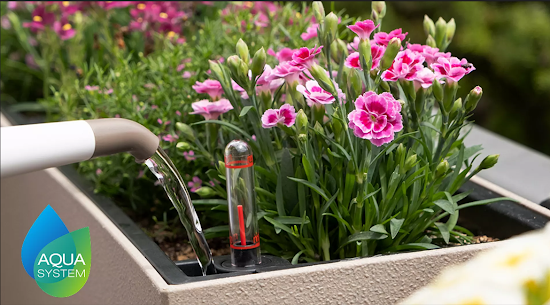
At the base of the pot is a built-in water reservoir. Instead of watering from the top every few days, you fill this lower chamber and the plant draws up moisture as needed. Just like in nature.
The system works through capillary action. A wicking column or specialised growing medium pulls water upward into the soil. The roots then absorb what they need, rather than being flooded from above.
Most quality self-watering planters also include a water level indicator. This shows you when the reservoir needs refilling, so you are not guessing.
In simple terms, the plant regulates its own moisture supply. That steady consistency is what makes the system effective.
Do They Really Work in Australian Conditions?
This is where many people become sceptical. In short YES.
Australia is tough on plants. Hot summers, dry air, strong sun and wind exposure all increase evaporation. Indoors, air conditioning can dry soil out faster than you expect.
In these conditions, traditional pots often require constant monitoring. Soil can dry out quickly, especially on balconies or in bright rooms.
Self-watering systems help by reducing surface evaporation and providing a steady moisture source from below. Instead of the soil swinging between too wet and too dry, moisture levels stay more stable.
That consistency can be particularly useful during heatwaves, busy work periods or when you are away for a few days.
When Do Self-Watering Pots Work Best?
Self-watering planters are especially useful in situations where regular watering is difficult.
They tend to perform well in:
- Busy households
- Offices and commercial spaces
- Indoor plant displays
- Herb gardens
- Balcony gardens exposed to sun and wind
They are also helpful for people who tend to either overwater or underwater. The system removes some of that guesswork.
For many Australian homes, especially apartments and courtyards, they provide a practical balance between convenience and plant health.
When Might They Not Be Ideal?
No system suits every plant.
Some species prefer very dry soil between watering cycles. Cacti and certain succulents, for example, may not thrive if the reservoir is constantly full. So less watering for these species.
Understanding the plant you are growing is just as important as choosing the pot.
Are Self-Watering Pots Worth It?
For most people, yes.
- They reduce watering stress.
- They create more consistent moisture levels.
- They lower the chance of plants drying out unexpectedly.
- They often lead to fewer failed plants.
The trade-off is a slightly higher upfront cost compared to standard garden pots. However, when you factor in convenience and plant longevity, many find the investment worthwhile.
If you are someone who enjoys greenery but not constant maintenance, self-watering planters make a lot of sense.
Considering a Self-Watering System?
If you are thinking about upgrading, explore our range of self-watering planters designed for Australian homes and commercial spaces.
You can browse the full collection online or contact our team if you would like guidance on choosing the right option for your space.
Related Articles
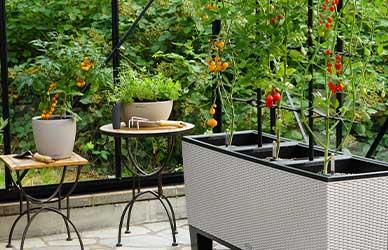
Struggling to keep your indoor plants alive? The secret is simpler than you think. Here's what's really causing your plants to struggle and what you can do to fix it.
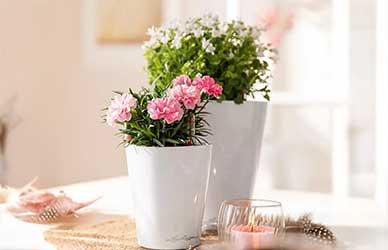
Most indoor plant pots are built to look good in a photo, not to keep your plants alive. Here's what most suppliers won't tell you when choosing an indoor planter in Australia.
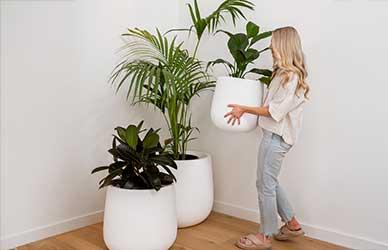
Not all indoor plant pots are created equal. We break down our favourite Lechuza indoor planters for 2026, what makes them different, and how to choose the right one for your space.
Indoor plant walls are transforming Perth homes and offices. Discover how to choose the right vertical garden system for WA's warm, dry climate.
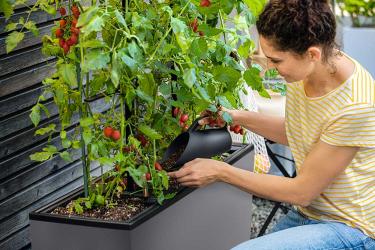
Not all outdoor pots are made equal. A practical guide to choosing durable, low-maintenance planters for Australian homes, balconies and commercial spaces.
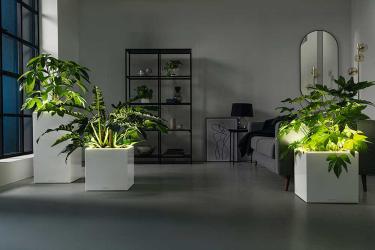
Choosing the wrong pot size is one of the most common planting mistakes. Learn how to get it right for indoor plants, outdoor planters and troughs.
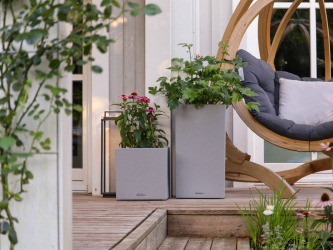
Keeping plants alive during water restrictions is possible with a few simple changes. Healthier soil, deep watering, mulch and choosing tougher plant varieties all help, but the biggest difference often comes from the pot itself. Self-watering planters reduce water waste, keep soil consistently moist and make it easier for plants to cope with dry spells. A practical way to stay water-smart in any Australian garden.
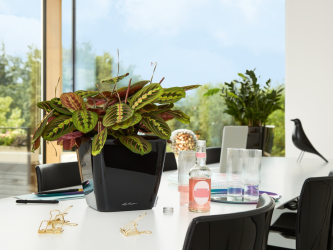
Keep your plants thriving through Australia’s heat with self-watering planters. These pots store water in a built-in reservoir, giving your plants steady moisture and reducing the stress of hot days, dry winds and fast-drying soil. Simple, efficient and perfect for Australian conditions.
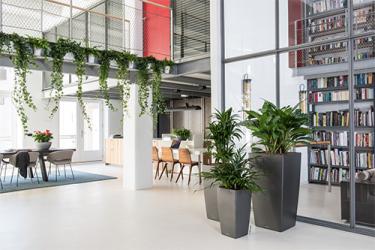
Discover the most common indoor planter mistakes and how to avoid them. Learn how Lechuza self-watering planters and PON substrate keep houseplants healthy and thriving with less effort.
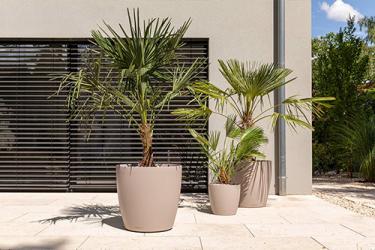
Discover why self-watering planters outperform traditional pots in Australia’s hot, dry climate. Learn how Lechuza’s smart design and PON substrate make plant care easier, save water and keep your garden thriving year-round.