
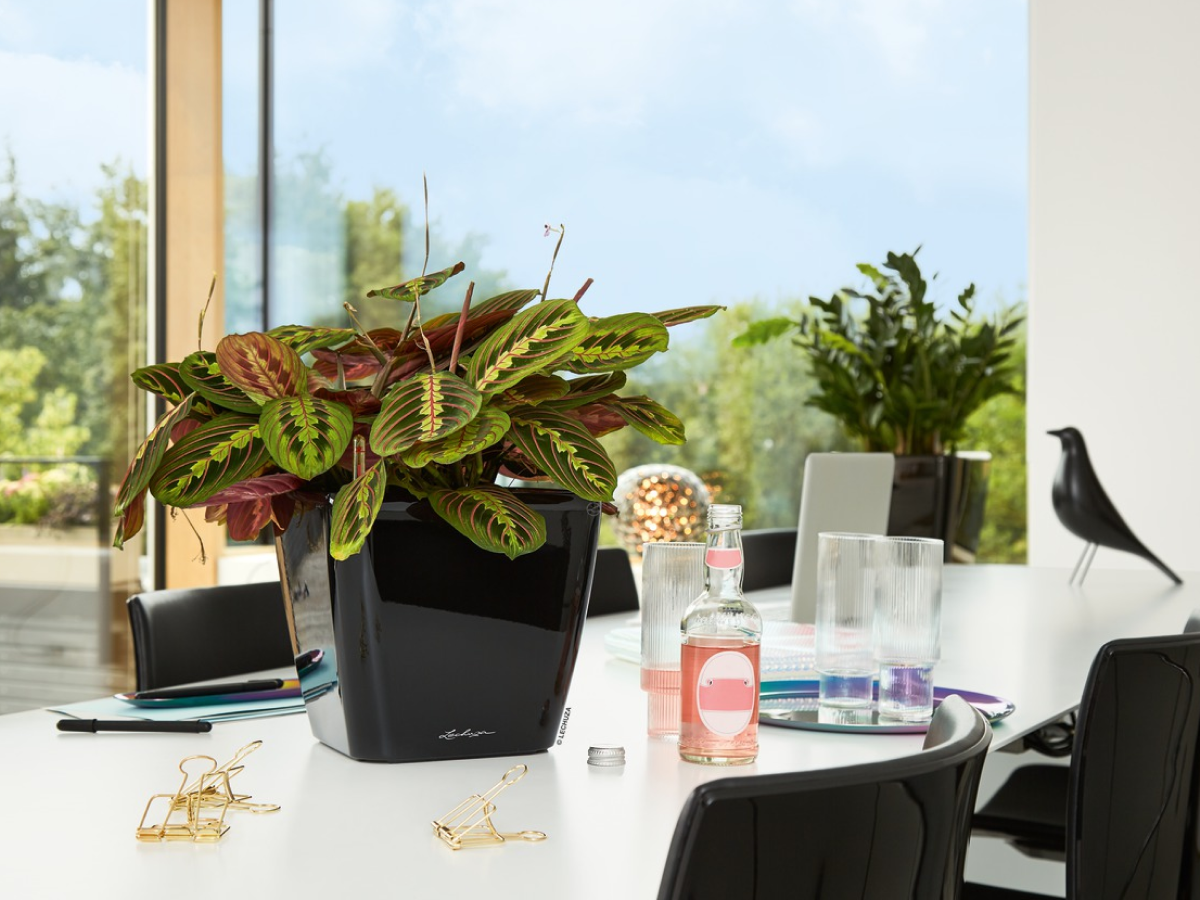
Gardening in Australia’s Heat: How Self-Watering Planters Make It Easy
Growing healthy plants in Australia can feel like a full-time job. Between long stretches of hot weather, drying winds and whatever the local water restrictions are doing this year, it can be tough to keep pot plants alive, let alone thriving. You water them in the morning, and by the afternoon the soil already looks bone dry again.
A lot of people try to fix this by moving pots around, adding more mulch or buying different soils. Those things help, but what often makes the biggest difference is the pot itself. The way it holds moisture and the way it supports the roots can change everything.
That is where self-watering planters come in. They take away so much of the guesswork and keep your plants far more stable through the heat.
Why Australian Heat Makes Plant Care Tricky
Summer in much of Australia usually means three things: high temperatures, very little rain and soil that dries out almost as soon as you water it. Even sturdy plants can suffer when:
-
The top layer of soil dries too fast
-
Water drains straight through before the roots absorb anything
-
Hot winds pull moisture out of leaves
-
The soil swings from wet to dry too quickly
If you are using a regular pot, most of the water you pour in disappears long before your plant gets any real benefit from it. This leads to wilting, yellowing or that slow decline that is frustratingly hard to stop.
How Self-Watering Planters Help
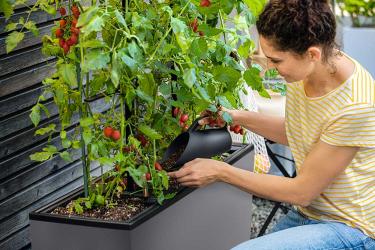
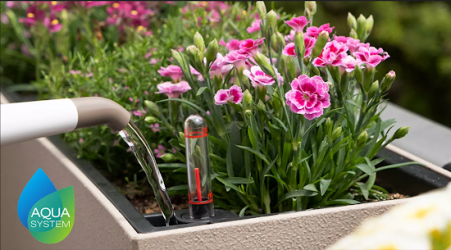
Self-watering pots are surprisingly simple. They have a reservoir hidden at the bottom of the pot, and the plant draws water up as it needs it. This keeps moisture steady, which is exactly what most plants struggle with in summer.
A good self-watering design usually:
-
Holds water safely out of the sun
-
Feeds moisture up through a wick or capillary system
-
Helps keep roots cooler
-
Reduces the chance of overwatering
-
Saves a lot of water that would normally drain away
Once you fill the reservoir, the plant does the rest. You do not need to water every day, and you avoid those big swings between dry soil and soggy soil.
Browse our full range of self-watering planters.
Why They Work So Well in Australian Conditions
1. You Do Not Need to Water as Often
The reservoir means your plant always has water available. Even during a hot spell, you can often leave the pot for several days.
2. No More Guessing
The plant pulls up water at its own pace, so you avoid problems like wilted leaves one day and waterlogged roots the next.
3. Less Water Waste
Perfect for areas that limit watering or go through drought periods. You are simply using water more efficiently.
4. Roots Stay Cooler
Because the water sits below the soil, the root zone stays more stable and far less stressed in the heat.
A Look at Lechuza’s System
Lechuza planters are designed to work seamlessly with their mineral substrate, Lechuza PON, which can be used on its own or mixed with your existing potting soil. This gives you the freedom to tailor the blend to your plant’s needs — you’re never locked into using PON exclusively.
PON supports healthy airflow through the root zone, maintains consistent moisture and doesn’t compact like traditional mixes. That means fewer issues such as fungus, mould or waterlogged soil, and a cleaner, more stable environment overall.
Many plant lovers notice stronger growth and more vibrant foliage simply because the roots finally receive the balanced conditions they’ve been missing.
Choosing a Self-Watering Planter
There is a size and style for almost any setup:
-
Balconera 50 for balconies and railings
-
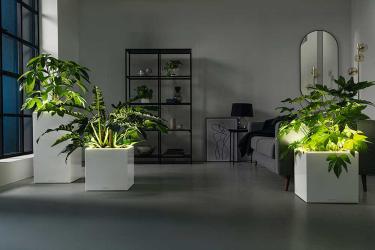
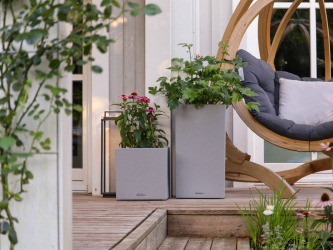
Classico for indoor plants or patios
-
Cubico for larger feature plants indoors and outdoors
See the full Lechuza self-watering collection
Making Gardening Easier in Any Climate
If you want your plants to stay alive through summer without constantly checking soil moisture, a self-watering planter is one of the simplest upgrades you can make. They save water, reduce stress on your plants and keep things more stable when the temperatures climb.
Good plant care should not feel like a chore. With a self-watering system, it genuinely becomes easier.
Related Articles
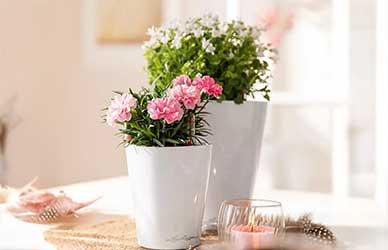
Most indoor plant pots are built to look good in a photo, not to keep your plants alive. Here's what most suppliers won't tell you when choosing an indoor planter in Australia.
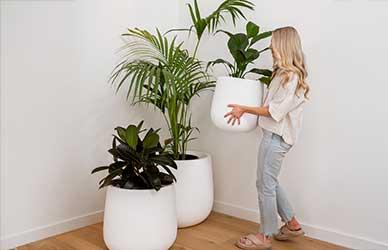
Not all indoor plant pots are created equal. We break down our favourite Lechuza indoor planters for 2026, what makes them different, and how to choose the right one for your space.
Indoor plant walls are transforming Perth homes and offices. Discover how to choose the right vertical garden system for WA's warm, dry climate.
Not all outdoor pots are made equal. A practical guide to choosing durable, low-maintenance planters for Australian homes, balconies and commercial spaces.
Do self-watering pots really work? Find out how they function, when they're worth it, and how they perform in Australian conditions.
Choosing the wrong pot size is one of the most common planting mistakes. Learn how to get it right for indoor plants, outdoor planters and troughs.
Keeping plants alive during water restrictions is possible with a few simple changes. Healthier soil, deep watering, mulch and choosing tougher plant varieties all help, but the biggest difference often comes from the pot itself. Self-watering planters reduce water waste, keep soil consistently moist and make it easier for plants to cope with dry spells. A practical way to stay water-smart in any Australian garden.
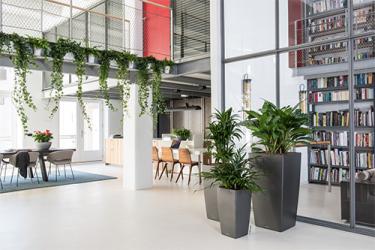
Discover the most common indoor planter mistakes and how to avoid them. Learn how Lechuza self-watering planters and PON substrate keep houseplants healthy and thriving with less effort.
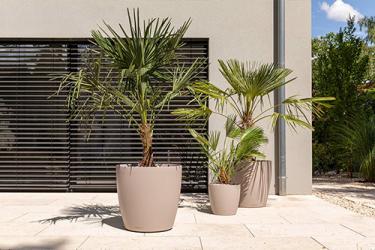
Discover why self-watering planters outperform traditional pots in Australia’s hot, dry climate. Learn how Lechuza’s smart design and PON substrate make plant care easier, save water and keep your garden thriving year-round.
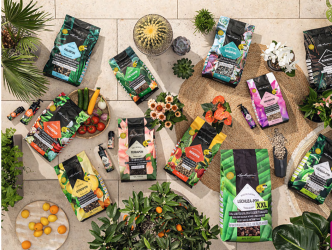
THE ALTERNATIVE TO SOIL! Discover Lechuza substrates and experience the impressive results that can be achieved with the right substrate. Thanks to their outstanding properties, all plant substrates can of course also be used in conventional pots without a LECHUZA irrigation system.