

How to Choose the Right Size Plant Pot for Your Space
Choosing the right pot size sounds simple, but it is one of the most common mistakes people make when buying plant pots.
Too small, and the plant becomes root-bound. Too large and you risk overwatering or awkward proportions in the space. Whether you are styling a balcony, refreshing your living room or planning a larger outdoor area, getting the size right makes a big difference.
If you have ever wondered, 'What size plant pot do I need?', this guide will walk you through it.
Start With the Plant, Not the Pot
Before looking at styles or finishes, consider the plant itself.
- How large will it grow?
- Does it have a deep or shallow root system?
- Is it fast-growing?
- Will it stay in this pot long-term?
A general rule is to choose a pot that is 2 to 5 centimetres wider than the current root ball for small to medium plants. For larger plants, stepping up gradually is usually better than jumping to a dramatically oversized pot. Bigger is not always better. Excess soil can hold too much moisture, especially in cooler months.
Consider the Space Around It
The pot has to suit the environment as much as the plant.
For indoor areas:
- Leave enough room to walk comfortably
- Avoid overpowering smaller rooms
- Consider ceiling height if choosing tall planters
For outdoor spaces:
- Think about wind exposure
- Check weight limits on balconies
- Allow for furniture and traffic flow
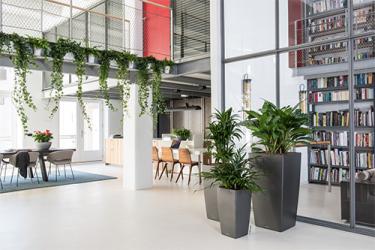
Large plant pots in Australia are often used as statement pieces. In open courtyards or entryways, scale can enhance the design. In compact apartments, proportion matters more.
Depth Matters More Than You Think
Height is not just aesthetic. Plants with deeper roots, such as small trees or structural shrubs, require adequate depth to stay healthy. Shallow-rooted plants like herbs or certain ornamentals can thrive in lower profile containers.
When using a plant trough, depth becomes even more important. Long troughs are ideal for screening or defining spaces, but they still need enough soil volume to support proper root growth.
If you are unsure, it is always safer to choose slightly deeper rather than too shallow.
Using a Plant Trough for Screening
Plant troughs are popular for balconies, patios and commercial settings where privacy or structure is needed.
When selecting trough size, consider:
- Length of the area you want to screen
- Mature width of the plants
- Soil depth required
- Weight when filled
Longer troughs create a cleaner visual line, but they must be stable and suited to the surface they sit on.
If you are using troughs in exposed outdoor areas, ensure they are appropriate for Australian conditions, including sun and wind exposure.
Indoor vs Outdoor Pot Sizing
Indoor plant pots are often chosen with aesthetics first in mind. However, practical considerations still matter. Outdoors, environmental factors add another layer.
Outdoor planters may need:
- Extra stability
- Drainage capacity
- Material durability
- Heat resistance
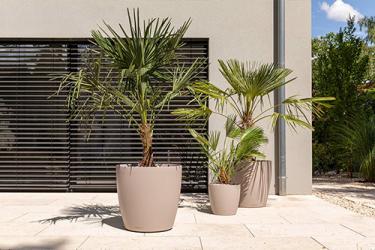
Large outdoor planters are ideal for anchoring open spaces, while smaller pots work well grouped together. Matching the pot size to both the plant and the environment creates a more balanced result.
Should You Size Up for Self-Watering Pots?
Self-watering systems change things slightly. Because they include a built-in reservoir, these pots often have slightly different internal dimensions. It is important to consider the root space rather than just the external size.
Self-watering planters are helpful when consistency matters, but the same sizing principles apply. Avoid going excessively large too quickly, as too much soil volume can retain moisture longer than intended.
Common Mistakes to Avoid
- Choosing a pot purely for looks
- Ignoring mature plant size
- Going dramatically larger “just in case”
- Forgetting about weight when filled
- Underestimating root depth
A little planning prevents most of these issues.
A Simple Size Guide
As a general reference:
Small plants
Choose a pot 2 to 5 centimetres wider than the current container.
Medium plants
Increase by one standard size bracket and ensure adequate depth.
Large plants or trees
Step up gradually and prioritise depth and stability.
Screening plants in troughs
Allow enough soil depth and spacing for mature growth.
If you are ever unsure how to choose plant pot size, it is better to measure the root ball and work from there.
The Right Size Makes Everything Easier
Choosing the correct pot size improves plant health, reduces watering issues and enhances the overall look of your space.
Whether you are browsing indoor pots, large outdoor planters or plant trough options, matching size to plant and environment is the key.
If you would like guidance selecting the right size for your project, explore our full range online or contact our team for advice tailored to your space.
Related Articles
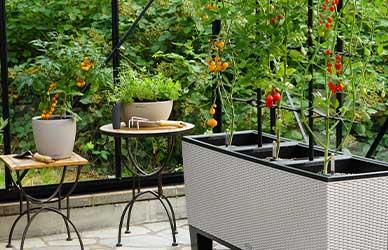
Struggling to keep your indoor plants alive? The secret is simpler than you think. Here's what's really causing your plants to struggle and what you can do to fix it.
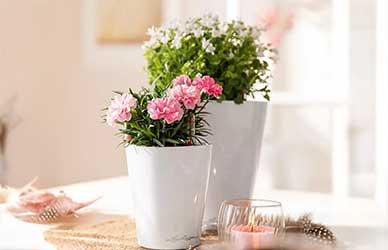
Most indoor plant pots are built to look good in a photo, not to keep your plants alive. Here's what most suppliers won't tell you when choosing an indoor planter in Australia.
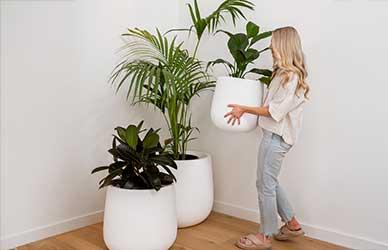
Not all indoor plant pots are created equal. We break down our favourite Lechuza indoor planters for 2026, what makes them different, and how to choose the right one for your space.
Indoor plant walls are transforming Perth homes and offices. Discover how to choose the right vertical garden system for WA's warm, dry climate.
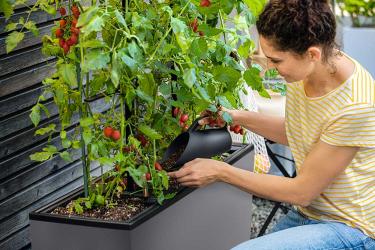
Not all outdoor pots are made equal. A practical guide to choosing durable, low-maintenance planters for Australian homes, balconies and commercial spaces.
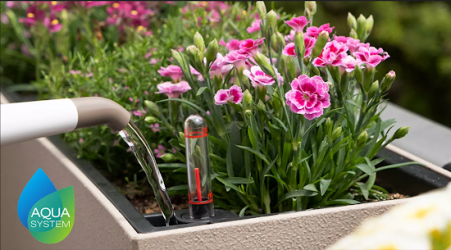
Do self-watering pots really work? Find out how they function, when they're worth it, and how they perform in Australian conditions.
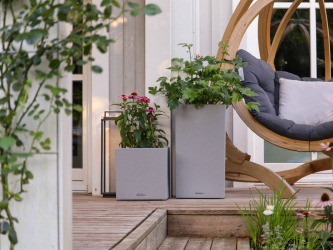
Keeping plants alive during water restrictions is possible with a few simple changes. Healthier soil, deep watering, mulch and choosing tougher plant varieties all help, but the biggest difference often comes from the pot itself. Self-watering planters reduce water waste, keep soil consistently moist and make it easier for plants to cope with dry spells. A practical way to stay water-smart in any Australian garden.
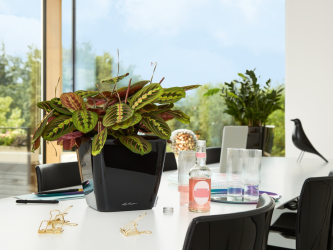
Keep your plants thriving through Australia’s heat with self-watering planters. These pots store water in a built-in reservoir, giving your plants steady moisture and reducing the stress of hot days, dry winds and fast-drying soil. Simple, efficient and perfect for Australian conditions.
Discover the most common indoor planter mistakes and how to avoid them. Learn how Lechuza self-watering planters and PON substrate keep houseplants healthy and thriving with less effort.
Discover why self-watering planters outperform traditional pots in Australia’s hot, dry climate. Learn how Lechuza’s smart design and PON substrate make plant care easier, save water and keep your garden thriving year-round.