
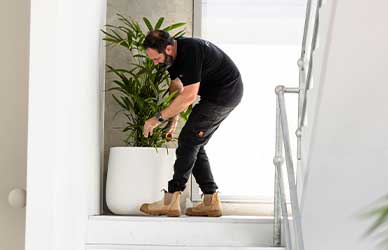
How to Repot a Plant into a Lechuza Self-Watering Planter
Getting a Lechuza planter is the straightforward part. Knowing exactly what to do when it arrives is where a lot of people have questions: how to set it up, transition your plant out of its old pot, and get the reservoir working properly.
This guide walks you through the whole process, step by step, for both indoor and outdoor plants.
What You'll Need Before You Start
-
Your Lechuza planter with the reservoir insert and water level indicator
-
Lechuza PON or the appropriate substrate for your plant type (see our substrate guide if you're unsure which one to use)
-
The slow release fertiliser tablet included with your planter
-
Your plant ready for its’ new home
-
A bucket or tray for old soil
It's worth having everything ready before you begin. The process is straightforward but easier when you're not hunting around for things mid-repot.
Step 1: Assemble the Planter
Most Lechuza planters ship flat-packed or in sections. Slot the inner pot liner into the outer container, attach the water level indicator to the reservoir tube, and make sure the drainage wick or insert is seated correctly at the base. A quick check of the instructions for your specific model is worth doing at this point, as the CLASSICO, CUBICO and BALCONERA all assemble slightly differently.
Step 2: Prepare the Substrate
Pour your Lechuza substrate into the inner pot to around one third of its depth. This gives the roots something to sit on while you position the plant. If you're using PON, there's no need to pre-wet it. The sub-irrigation system handles moisture from below once the reservoir is filled.
Step 3: Remove the Plant from Its Old Pot
Tip the plant gently out of its existing container. Shake or brush away as much of the old potting mix as you reasonably can from the root ball. You don't need to get every last trace, but removing the bulk of the old soil helps the roots adapt to the new substrate more quickly and reduces the risk of bringing in pests or fungus.
If the roots are tightly bound or circling, gently tease them apart a little before planting.
Step 4: Position the Plant
Place the plant into the prepared substrate and check the height. The top of the root ball should sit comfortably below the rim of the inner pot, leaving space to add more substrate around and over it. Adjust the base layer depth if needed.
Once the height looks right, pour substrate around the sides of the root ball, working it in gently so there are no large air pockets. Fill to just below the rim and firm lightly. The substrate should support the plant without being packed down hard. Lechuza substrate works best when it stays loose and well aerated.
Step 5: Fill the Reservoir
Insert the water level indicator into its tube and fill the reservoir through the fill opening until the indicator reads full. For indoor plants, this is the last step before placing the planter in its final position.
One important note for new plantings: for the first two to four weeks, also water lightly from the top in addition to the reservoir. This helps the roots find the moisture below and establish in the new substrate. After that initial period, the reservoir system takes over and top watering is no longer necessary in most cases.
Step 6: Outdoor Considerations
For outdoor planters, the setup process is the same, but there are a couple of additional things to keep in mind.
If your planter is going in a position that gets direct rain, Lechuza planters have an overflow opening in the reservoir to prevent waterlogging, so make sure this isn't blocked. In the hottest months, outdoor plants in full sun will draw the reservoir down faster, so check the water level indicator more frequently until you get a feel for how quickly your specific plants and conditions use it up.
For outdoor edible gardens, use Veggiepon rather than standard PON, and note that the reservoir may need topping up more regularly than for ornamental plants.
How Long Does the Reservoir Last?
This varies depending on the plant type, pot size, season and position. A large indoor tropical plant in a 35cm planter will typically draw down the reservoir over one to two weeks in warmer months. Smaller pots and lower-light positions stretch that out considerably. Once you've had the planter for a month or two, you'll develop a sense of the rhythm without having to think about it.
A Note on Switching from Soil
If your plant has been growing in traditional potting mix for a long time, it may take a few weeks to fully adjust to the new substrate. Some temporary leaf drop or slow growth is normal during this transition. Once the roots find the consistent moisture in the reservoir, growth typically picks up. The plants that tend to respond best are those that have been struggling with inconsistent watering in their old pots.
The full range of Lechuza planters and substrates is available at PlanterCraft with fast Australia-wide shipping.
Related Articles
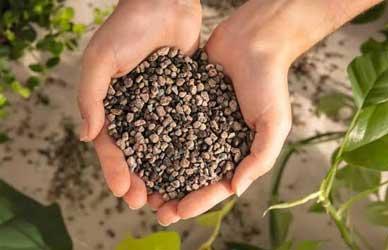
Lechuza makes several substrates for different plant types. This guide covers PON, Terrapon, Veggiepon, Orchidpon and more so you can choose the right one for your plants.
Struggling to keep your indoor plants alive? The secret is simpler than you think. Here's what's really causing your plants to struggle and what you can do to fix it.
Most indoor plant pots are built to look good in a photo, not to keep your plants alive. Here's what most suppliers won't tell you when choosing an indoor planter in Australia.
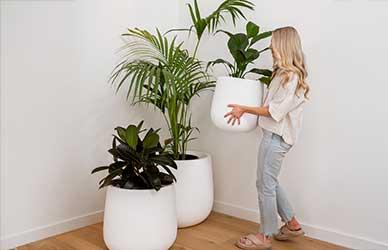
Not all indoor plant pots are created equal. We break down our favourite Lechuza indoor planters for 2026, what makes them different, and how to choose the right one for your space.
Indoor plant walls are transforming Perth homes and offices. Discover how to choose the right vertical garden system for WA's warm, dry climate.
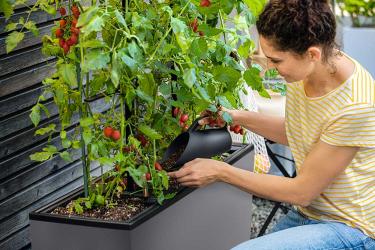
Not all outdoor pots are made equal. A practical guide to choosing durable, low-maintenance planters for Australian homes, balconies and commercial spaces.
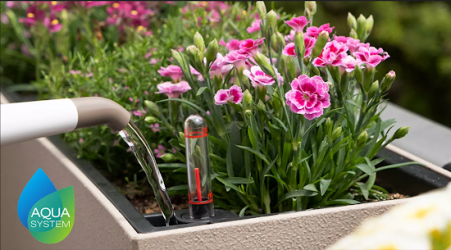
Do self-watering pots really work? Find out how they function, when they're worth it, and how they perform in Australian conditions.
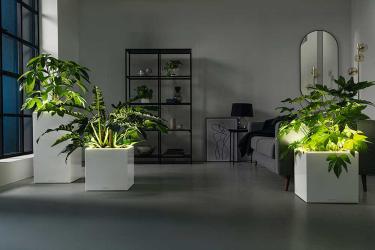
Choosing the wrong pot size is one of the most common planting mistakes. Learn how to get it right for indoor plants, outdoor planters and troughs.
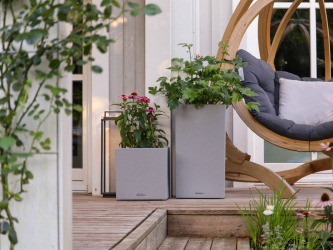
Keeping plants alive during water restrictions is possible with a few simple changes. Healthier soil, deep watering, mulch and choosing tougher plant varieties all help, but the biggest difference often comes from the pot itself. Self-watering planters reduce water waste, keep soil consistently moist and make it easier for plants to cope with dry spells. A practical way to stay water-smart in any Australian garden.
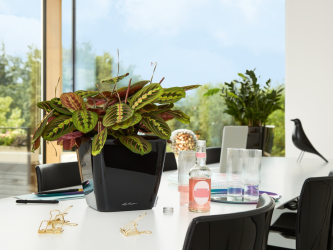
Keep your plants thriving through Australia’s heat with self-watering planters. These pots store water in a built-in reservoir, giving your plants steady moisture and reducing the stress of hot days, dry winds and fast-drying soil. Simple, efficient and perfect for Australian conditions.