
How to Grow Herbs and Vegetables in Planters at Home
Growing your own food doesn't require a large garden. A well-chosen planter, the right substrate and a decent position in the sun is enough to produce a steady supply of herbs, vegetables and fruit throughout the year. Container growing has come a long way, and with self-watering planters the biggest challenge of edible gardening is largely solved: keeping moisture consistent.
Here's a practical guide to getting it right.
Why Planters Work Well for Edibles
The main challenge with growing food in containers has always been water. Vegetables and herbs are less forgiving of dry spells than ornamental plants. Miss a few days of watering in summer and leafy greens bolt, herbs turn woody and fruiting plants drop their flowers.
The Lechuza reservoir system addresses this directly. The sub-irrigation design keeps moisture consistently available at root level, which is exactly what productive edible plants need. Combined with a substrate designed for food growing, it produces better results than most traditional pot and soil setups.
Planters also make edible gardening practical in spaces where a garden bed isn't an option. Balconies, courtyards, paved terraces and small backyards all work well with the right containers.
The Right Substrate for Edibles
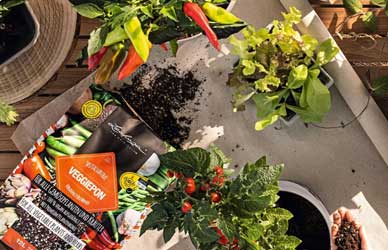
For food growing, use Lechuza Veggiepon rather than standard PON. Veggiepon is formulated specifically for vegetables and herbs, provides the right nutrient balance for edible plants, and is 100% vegan with no animal-derived ingredients. That matters if you're growing food you plan to eat.
Like PON, Veggiepon is mineral-based and peat free. It stays structurally stable over multiple growing seasons and works seamlessly with the reservoir system.
Choosing the Right Planter
Size matters more for edibles than for ornamental plants. Most vegetables and fruiting plants need more root space than a small decorative pot provides.
For herbs, a medium planter works well. The CLASSICO 28 or similar size gives enough depth and volume for a productive herb collection. Grouping several herbs in one larger planter is more practical than individual small pots.
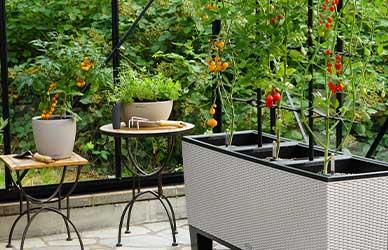
For tomatoes, capsicum, eggplant and other fruiting vegetables, go larger. A CUBICO 30 or 40 gives the root volume these plants need to produce well. Undersized pots are one of the most common reasons container tomatoes disappoint.
For leafy greens, salad crops and strawberries, the BALCONERA range works particularly well. The rectangular trough shape suits row planting and fits neatly on balcony railings or along the edge of a terrace.
For a more substantial kitchen garden setup, the TRIO Cottage planter combines three individual pots in a single frame and is well suited to growing a mix of herbs and compact vegetables together.
What to Grow and When
Year-Round Herbs
Herbs are the most reliable starting point for container edible growing. Many are perennial and productive across most of the year in Australian conditions.
Basil is the exception: it's frost tender and best grown from late spring through summer. Everything else on this list handles cooler months reasonably well.
Good year-round options include rosemary, thyme, oregano, chives, mint and flat leaf parsley. Mint spreads aggressively and is best kept in its own container. Rosemary and thyme are drought tolerant and particularly unfussy.
Coriander tends to bolt in hot weather, so it's best grown in autumn through spring.
Warm Season Vegetables (Spring to Autumn)
This is when container growing gets most productive. Tomatoes, capsicum, eggplant, zucchini, beans and cucumber all perform well in large planters with the consistent moisture a reservoir provides.
Cherry tomatoes are better suited to containers than large beefsteak varieties. They produce more prolifically relative to the plant size and don't need the same depth of root run.
Zucchini can get large, so give it a generous pot and expect to harvest frequently once it gets going.
Cool Season Vegetables (Autumn to Spring)
Leafy greens, brassicas and root vegetables come into their own in cooler months. Silverbeet, spinach, kale, Asian greens, lettuce and rocket all grow well in containers. Broccoli and cauliflower need a larger pot but are achievable.
Peas and broad beans can be grown in deeper planters with a trellis or support structure behind them.
Root vegetables like radishes and beetroot work in deeper pots. Carrots need more depth than most planters provide, so they're generally better suited to raised beds.
Strawberries
Strawberries are excellent container plants year round in most Australian climates. They produce well in the BALCONERA range or hanging on a BOLA and benefit greatly from the consistent moisture the reservoir provides. Strawberries in containers often outperform those in garden beds because drainage and moisture levels are easier to control.
Position and Sun
Edible plants need more sun than most ornamentals. As a general rule, fruiting vegetables need at least six hours of direct sun per day. Herbs and leafy greens are more tolerant of partial shade but still perform better with good light.
In a courtyard or balcony setting, track how the sun moves through the space across the day before deciding where to position planters. North-facing positions generally get the most sun in Australian gardens. Avoid spots that are shaded by walls or overhead structures during the main part of the day.
One practical advantage of planters over garden beds is that they can be repositioned. If a spot isn't working, you can move the planter.
All Natural
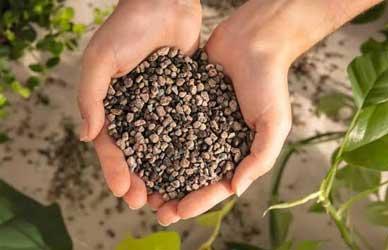
VEGGIEPON is peat-free for nature's sake and consists exclusively of natural ingredients, delivering rich harvests in harmony with nature. The organic-mineral substrate provides optimal root aeration and prevents waterlogging and root rot.
Consisting of lava, coconut semolina, biochar and vegetable fertiliser, the substrate is 100% vegan and provides sufficient fruit and vegetables nutrients.
Practical Tips for Better Results
Keep on top of harvesting. Most herbs and leafy greens produce more the more you pick them. Letting basil flower, for example, signals the plant to stop producing new leaves.
Watch the reservoir more closely in summer. Fruiting plants in full sun can draw the reservoir down quickly in hot weather. Check the water level indicator every few days during the warmest months rather than weekly.
Rotate crops if you're reusing the same planter each season. Growing the same plant family in the same pot year after year can deplete specific nutrients and encourage disease. Veggiepon can be refreshed or partially replaced between seasons to keep it performing well.
The full range of Lechuza planters and Veggiepon substrate is available at PlanterCraft with fast shipping Australia wide.
Related Articles
Lechuza makes several substrates for different plant types. This guide covers PON, Terrapon, Veggiepon, Orchidpon and more so you can choose the right one for your plants.
Struggling to keep your indoor plants alive? The secret is simpler than you think. Here's what's really causing your plants to struggle and what you can do to fix it.
Most indoor plant pots are built to look good in a photo, not to keep your plants alive. Here's what most suppliers won't tell you when choosing an indoor planter in Australia.
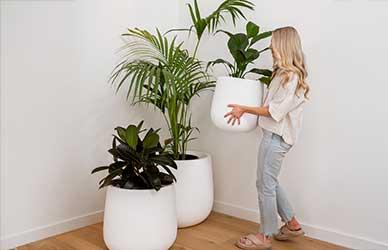
Not all indoor plant pots are created equal. We break down our favourite Lechuza indoor planters for 2026, what makes them different, and how to choose the right one for your space.
Indoor plant walls are transforming Perth homes and offices. Discover how to choose the right vertical garden system for WA's warm, dry climate.
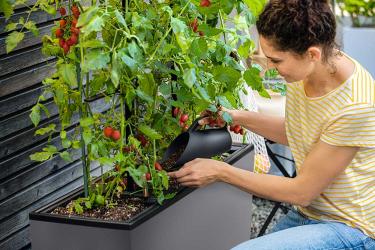
Not all outdoor pots are made equal. A practical guide to choosing durable, low-maintenance planters for Australian homes, balconies and commercial spaces.
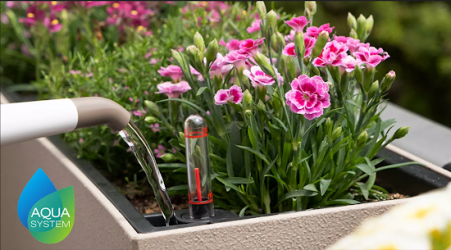
Do self-watering pots really work? Find out how they function, when they're worth it, and how they perform in Australian conditions.
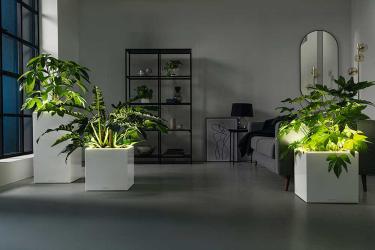
Choosing the wrong pot size is one of the most common planting mistakes. Learn how to get it right for indoor plants, outdoor planters and troughs.
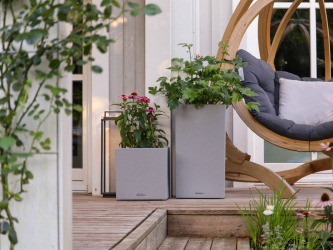
Keeping plants alive during water restrictions is possible with a few simple changes. Healthier soil, deep watering, mulch and choosing tougher plant varieties all help, but the biggest difference often comes from the pot itself. Self-watering planters reduce water waste, keep soil consistently moist and make it easier for plants to cope with dry spells. A practical way to stay water-smart in any Australian garden.
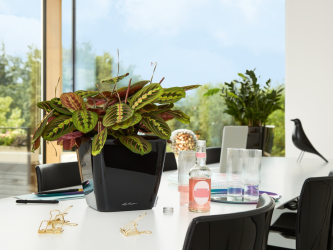
Keep your plants thriving through Australia’s heat with self-watering planters. These pots store water in a built-in reservoir, giving your plants steady moisture and reducing the stress of hot days, dry winds and fast-drying soil. Simple, efficient and perfect for Australian conditions.