
Best Outdoor Pots for Australian Conditions
Australia is tough on materials. Sun, wind, coastal air and heavy rain all take their toll. Choosing outdoor pots is less about appearance alone and more about performance.
The best outdoor pots in Australia are the ones that handle exposure without cracking, fading or becoming high maintenance. Here is what to look for before you invest.
What Makes a Good Outdoor Pot in Australia?
Several factors matter more here than in milder climates.
UV Resistance
Strong sunlight can cause some materials to fade or weaken over time. Look for finishes designed to handle long-term UV exposure.
Heat Tolerance
Dark surfaces and thin materials can heat up quickly. In hot climates, that heat transfers to the root system. Well-designed outdoor planters help moderate that impact.
Drainage
Good drainage is essential, especially during heavy rain. Without it, roots can become waterlogged.
Weight and Stability
Lightweight outdoor pots are easier to move, but they must still remain stable in windy areas. Design matters as much as material.
Material Durability
High-quality composites and engineered plastics often perform better than basic materials when exposed to Australian conditions year-round.
Lightweight vs Heavy Pots
This is one of the most common questions. Lightweight outdoor pots are easier to reposition, especially on balconies or in rental properties. They reduce strain on structures and are generally easier to handle during installation.
Heavier pots can offer additional stability in exposed areas. They may suit open gardens or windy coastal environments. For balconies and upper-level spaces, lightweight designs are often the more practical choice.
Why They Work So Well in Australian Conditions
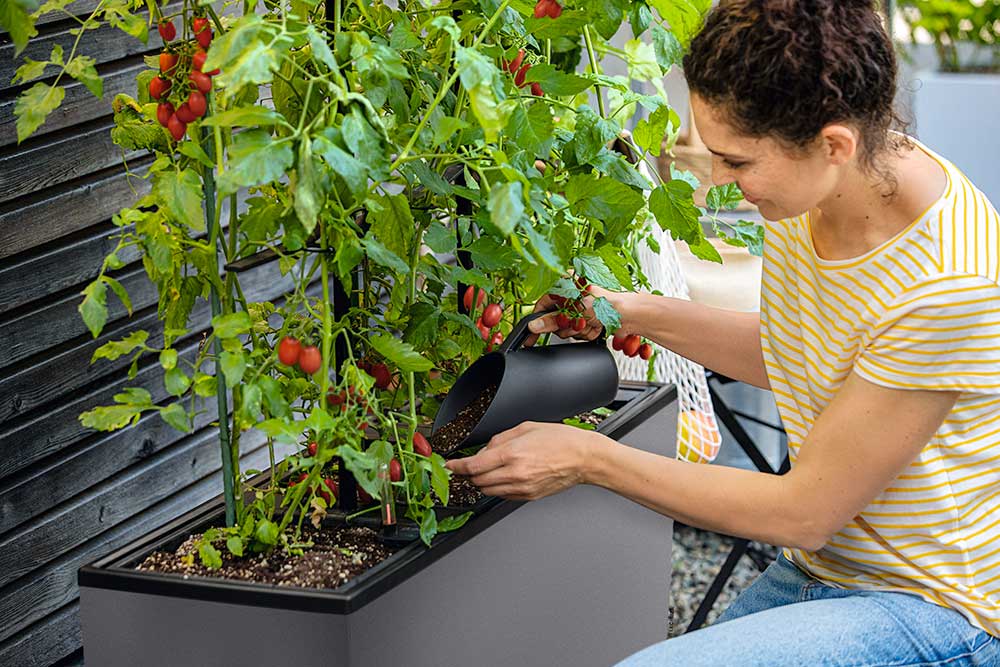
Large outdoor planters and garden troughs are popular for privacy and structure.
Long trough styles can be used to:
- Create balcony screening
- Divide outdoor dining areas
- Frame entryways
- Add structure to courtyards
Plant trough designs are particularly useful in urban settings where ground planting is not possible. Choosing the right size and depth ensures adequate root space and long-term plant health.
Do Self-Watering Systems Work Outdoors?
Yes they can. Outdoor heat increases evaporation, which means traditional pots may need watering more frequently. Self-watering systems provide a steady moisture source that reduces daily maintenance. During the winter months, quality outdoor pots have a drain plug which can be easily removed for drainage.
They also help regulate water usage, which can be useful during periods of restriction. For people managing larger outdoor planter arrangements or commercial installations, self-watering systems can simplify upkeep significantly.
Choosing the Right Size and Shape
Before selecting a pot, consider:
- Height and depth for root growth
- Width for plant spacing
- Wind exposure
- Drainage requirements
- How the piece fits into the overall space
A tall narrow planter may look striking but could be less stable in high wind areas. A wider trough may provide better balance and planting flexibility. Matching the pot to both plant and environment is key.
There Is No Single “Best” Outdoor Pot
The best outdoor pots in Australia depend on where they are being used and how much maintenance you are willing to take on.
Coastal homes may prioritise durability. Apartment balconies may prioritise weight. Commercial spaces may prioritise consistency and ease of care. Understanding your environment first makes the decision much easier.
Explore Outdoor Pots Built for Australian Conditions
If you are ready to upgrade your outdoor space, explore our range of garden pots, plant troughs and outdoor planters designed for Australian environments.
You can browse online or contact our team for guidance on choosing the right option for your project.
Related Articles
Most indoor plant pots are built to look good in a photo, not to keep your plants alive. Here's what most suppliers won't tell you when choosing an indoor planter in Australia.
Not all indoor plant pots are created equal. We break down our favourite Lechuza indoor planters for 2026, what makes them different, and how to choose the right one for your space.
Indoor plant walls are transforming Perth homes and offices. Discover how to choose the right vertical garden system for WA's warm, dry climate.
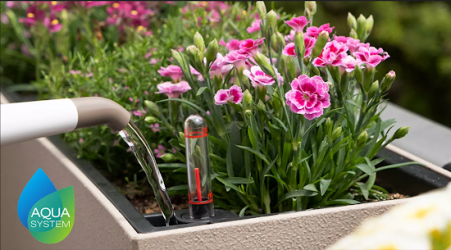
Do self-watering pots really work? Find out how they function, when they're worth it, and how they perform in Australian conditions.
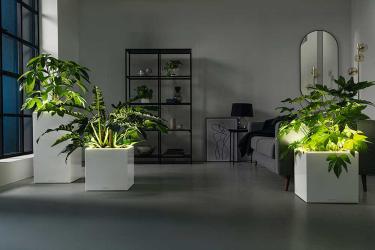
Choosing the wrong pot size is one of the most common planting mistakes. Learn how to get it right for indoor plants, outdoor planters and troughs.
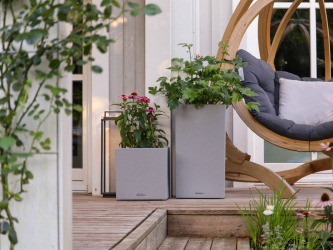
Keeping plants alive during water restrictions is possible with a few simple changes. Healthier soil, deep watering, mulch and choosing tougher plant varieties all help, but the biggest difference often comes from the pot itself. Self-watering planters reduce water waste, keep soil consistently moist and make it easier for plants to cope with dry spells. A practical way to stay water-smart in any Australian garden.
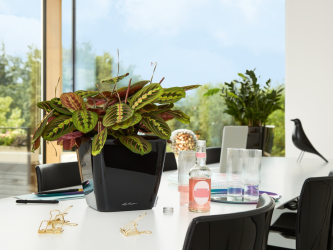
Keep your plants thriving through Australia’s heat with self-watering planters. These pots store water in a built-in reservoir, giving your plants steady moisture and reducing the stress of hot days, dry winds and fast-drying soil. Simple, efficient and perfect for Australian conditions.
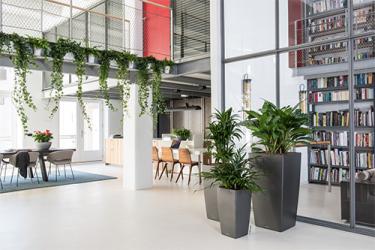
Discover the most common indoor planter mistakes and how to avoid them. Learn how Lechuza self-watering planters and PON substrate keep houseplants healthy and thriving with less effort.
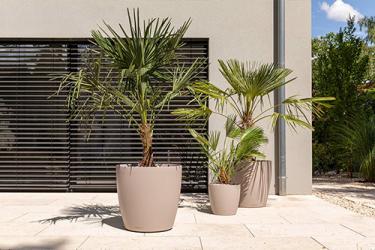
Discover why self-watering planters outperform traditional pots in Australia’s hot, dry climate. Learn how Lechuza’s smart design and PON substrate make plant care easier, save water and keep your garden thriving year-round.
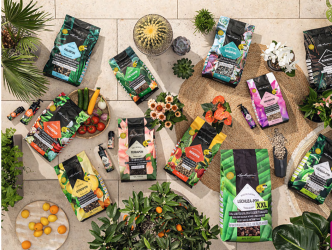
THE ALTERNATIVE TO SOIL! Discover Lechuza substrates and experience the impressive results that can be achieved with the right substrate. Thanks to their outstanding properties, all plant substrates can of course also be used in conventional pots without a LECHUZA irrigation system.