
The Secret to Healthy Indoor Plants (It's Simpler Than You Think)
If you've ever watched an indoor plant slowly decline despite your best efforts, you're not alone. It's one of the most common frustrations for plant lovers everywhere. You water it, you give it light, you even talk to it occasionally, and still it just doesn't thrive.
The good news is that keeping indoor plants healthy isn't actually that complicated. Most of the time, plants struggle because of a handful of very fixable problems. Here's what's really going on and what you can do about it.
Water Is Usually the Culprit
Ask any experienced plant enthusiast what kills most indoor plants and the answer is almost always the same. Too much water.
Overwatering is far more common than underwatering, and it's a lot harder to recover from. When a plant sits in soggy soil for too long, the roots can't breathe. They start to rot, the plant starts to decline, and most people assume it needs more water and make the problem worse.
The trick is to water less often than you think you need to, and to make sure your pot has a proper drainage system so excess water has somewhere to go. Before you water, push your finger about an inch into the soil. If it still feels damp, leave it alone for another day or two.
Humidity levels matter too, especially in air conditioned homes where the air can get very dry. Most indoor plants prefer a bit of moisture in the air around them. A light mist every few days or placing plants near each other can help with this.
Light Is More Important Than Most People Realise
A lot of indoor plants end up in beautiful spots that just don't get enough light. A dark corner, a hallway with no windows, a room that faces the wrong direction. The plant looks fine for a while and then gradually loses colour, stops growing, and starts dropping leaves.
Before you choose where to put a plant, spend a day noticing where the natural light actually falls in your home. Most indoor plants want bright, indirect light. Direct harsh sunlight through a window can scorch leaves, but deep shade is just as damaging over time.
If you're working with a low light space, choose plant species that are actually suited to those conditions rather than trying to force a sun loving plant to survive in the dark. There are plenty of beautiful plants that genuinely thrive with very little light.
The Right Soil Makes a Huge Difference
Fresh soil is something plant lovers don't think about often enough. Over time, potting mix breaks down, compacts, and loses the nutrients and structure that plants need to grow well. If your plant has been in the same pot with the same soil for a couple of years, that alone could be holding it back.
Good quality, fresh soil gives roots room to grow, drains properly, and provides the nutrients your plant needs to thrive. Different plant species do better in different mixes too, so it's worth checking what your specific plant prefers rather than using a one size fits all approach.
Pot Size and Drainage Matter More Than the Pot Itself
People spend a lot of time choosing a pot that looks good, which makes sense. But the size and drainage setup of that pot has a bigger impact on plant health than most people realise.
A pot that's too small restricts root growth and dries out too quickly. A pot that's too large holds too much moisture and creates the same overwatering problem we talked about earlier. Getting the size right for the plant you're growing makes a noticeable difference.
Drainage is equally important. Without it, water builds up at the base of the pot and roots sit in moisture they can't escape from. A good drainage system doesn't just mean a hole in the bottom. It means a setup that manages water properly so your plant always has access to what it needs without ever sitting in excess.
Feed Your Plants but Don't Overdo It
Indoor plants need nutrients to grow, but fertiliser for indoor plants is one of those things where more is definitely not better. Over fertilising can burn roots and cause more harm than good.
A gentle, balanced fertiliser applied during the growing season, typically spring and summer, is usually enough. During winter when most plants slow down, you can ease off almost entirely.
The Easiest Way to Get All of This Right
If watering is the hardest part to get right, the simplest solution is a planter that handles it for you. Lechuza's self-watering system takes the guesswork out of watering completely, feeding your plants from a base reservoir so they get exactly what they need without any risk of overwatering.
At PlanterCraft we stock the full Lechuza range, with options for every space, every style and every plant lover. Browse our indoor planters and take one of the biggest variables out of the equation.
Related Articles
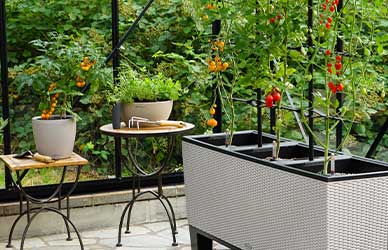
Most indoor plant pots are built to look good in a photo, not to keep your plants alive. Here's what most suppliers won't tell you when choosing an indoor planter in Australia.
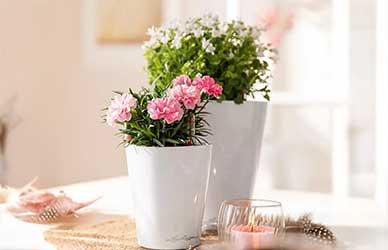
Not all indoor plant pots are created equal. We break down our favourite Lechuza indoor planters for 2026, what makes them different, and how to choose the right one for your space.
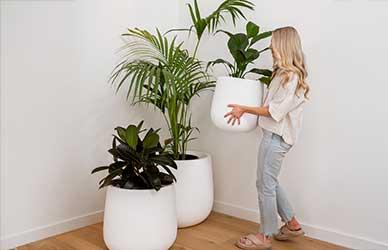
Indoor plant walls are transforming Perth homes and offices. Discover how to choose the right vertical garden system for WA's warm, dry climate.
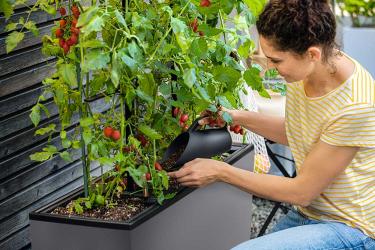
Not all outdoor pots are made equal. A practical guide to choosing durable, low-maintenance planters for Australian homes, balconies and commercial spaces.
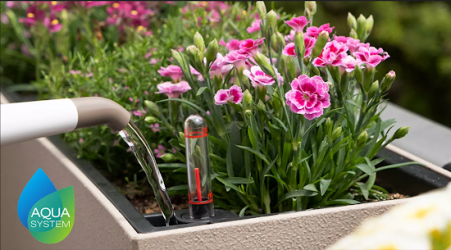
Do self-watering pots really work? Find out how they function, when they're worth it, and how they perform in Australian conditions.
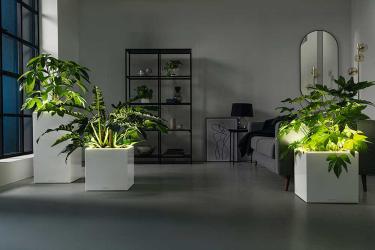
Choosing the wrong pot size is one of the most common planting mistakes. Learn how to get it right for indoor plants, outdoor planters and troughs.
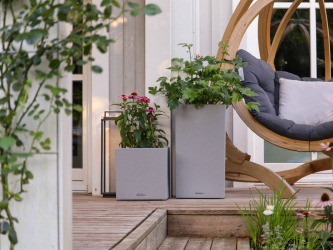
Keeping plants alive during water restrictions is possible with a few simple changes. Healthier soil, deep watering, mulch and choosing tougher plant varieties all help, but the biggest difference often comes from the pot itself. Self-watering planters reduce water waste, keep soil consistently moist and make it easier for plants to cope with dry spells. A practical way to stay water-smart in any Australian garden.
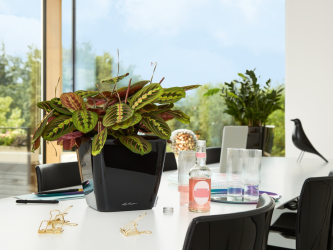
Keep your plants thriving through Australia’s heat with self-watering planters. These pots store water in a built-in reservoir, giving your plants steady moisture and reducing the stress of hot days, dry winds and fast-drying soil. Simple, efficient and perfect for Australian conditions.
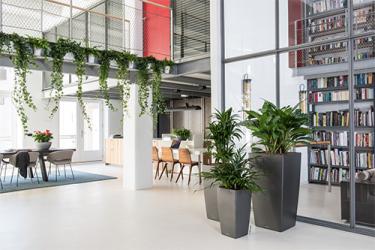
Discover the most common indoor planter mistakes and how to avoid them. Learn how Lechuza self-watering planters and PON substrate keep houseplants healthy and thriving with less effort.
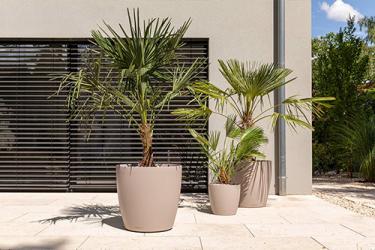
Discover why self-watering planters outperform traditional pots in Australia’s hot, dry climate. Learn how Lechuza’s smart design and PON substrate make plant care easier, save water and keep your garden thriving year-round.